
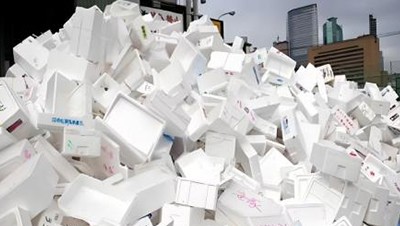
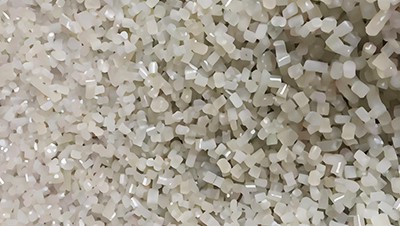
Plastic foam materials are widely used in packaging, logistics, construction, and the food industry. EPS foam is a lightweight but bulky material, with nearly 98% of its volume consisting of air. The main challenges in recycling EPS are volume reduction and impurity removal. Our foam pelletizing systems integrate cutting or crushing with compaction, followed by extrusion and drying. This process reduces material size, removes contaminants, and improves the purity of the recycled pellets.
- It significantly reduces foam volume and lowers transportation costs, thereby reducing costs.
- It minimizes environmental impact while turning waste foam into higher-value recycled material.
- Packaging industry: cushioning packaging for TVs, refrigerators, washing machines; food insulation boxes; vaccine cold-chain containers.
- Construction industry: insulation boards, soundproof panels, shock-absorbing boards, insulation panels, wall panels.
- Logistics industry: loose foam filling material and transport cushioning.
- Foam product manufacturers: photo frames, decorative moldings, toys, seedling trays, fishing floats.
Recovered foam is initially processed through a foam crusher. A blower transfers the crushed foam to a storage hopper. The foam then enters the extruder, where it is melted, plasticized, and filtered. It is then extruded into strands, cooled, and cut into recycled EPS pellets, which are typically transparent in appearance.
Recommended recycling process and system options are: