
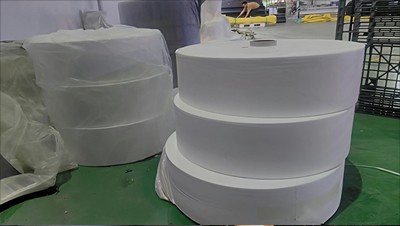
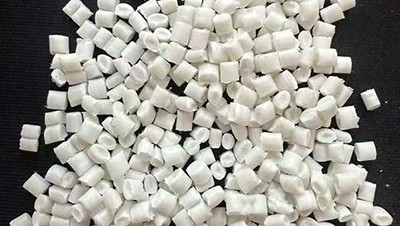
PP non-woven fabric (polypropylene non-woven fabric) is known for its chemical resistance, heat resistance, electrical insulation, and good mechanical strength. It is widely used in medical and hygiene products, home furnishings, agricultural covering materials, and industrial protection applications. PP non-woven fabric has a relatively low melting point and a loose, fluffy structure. Therefore, it requires low-temperature extrusion and a compaction unit for feeding. Our single-screw two-stage pelletizing systems are well suited for handling this type of material.
Discarded PP non-woven fabric is first processed through cleaning, crushing, and drying when necessary. The prepared material then enters the the plastic recycling pelletizing machine for pellet production.
- Pre-plasticizing: The material enters the barrel, where heat and screw rotation begin the melting process.
- Plasticizing: The material is further melted and homogenized along the extrusion screw.
- Strand forming: The molten material is extruded into strands and guided into a cooling water tank.
- Pelletizing: The cooled strands are cut into uniform recycled PP pellets.
- High recovery rate: The optimized system design minimizes material loss, allowing recovery rates of over 95% for waste PP non-woven fabric.
- Stable pellet quality: Consistent plasticizing and strand cutting help produce uniform, well-formed pellets.
- Energy-efficient operation: Low-temperature extrusion reduces energy consumption and limits exhaust emissions.
Recycled PP pellets can be used for:
- Geotextiles (anti-corrosion protection materials, weed control fabrics)
- Automotive interior panels
- Shoe linings for sports and casual footwear
- Bag linings and shopping bags